
Pongal 2026 Dates Explained: Thai Pongal, Mattu Pongal & Kaanum Pongal Significance
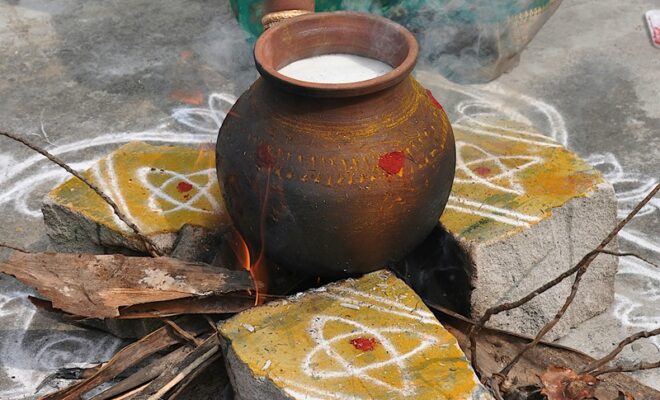
The Pongal 2026 is a colorful four-day harvest festival in the Indian state of Tamil Nadu that is highly ingrained in the appreciation of nature, the Sun, and the farmers, reflecting The Importance of Gratitude in Indian Culture. The festival, which was observed between January 13 and January 16, 2026, is based on themes common in agrarian societies and most of the African cultures that celebrate the harvest cycles and community cohesion. Pongal is a term that is translated as to overflow, which is a sign of abundance and prosperity. Every day of Pongal is dedicated to different things, such as spiritual purification and gratitude to cattle, and the purpose is to strengthen the bond between the family. The following is a concise, list-based enumeration of the dates of Pongal 2026, rituals, and cultural contentment.
4 Important Days of Pongal 2026 and Their Meaning
1. Bhogi Pongal – January 13, 2026
Bhogi Pongal is the first day of Pongal 2026 and is devoted to renewal. The day is devoted to Lord Indra, the god of rain, and is aimed at getting rid of old things and embracing a positive change. Families build bonfires using wooden objects, and this represents spiritual cleansing, like the purification observable with a number of harvest rituals practiced in Africa. Houses are painted in rangoli (kolam), and the celebrations start with jubilation, music, and fireworks.
2. Thai Pongal – January 14, 2026
The biggest day of the Pongal 2026 is the Thai Pongal, which is devoted to the Sun God, Surya. Family members prepare rice and jaggery in earthenware pots and leave it to spill over, and they offer thanksgiving to the Sun to keep people and crops alive. It is also the beginning of the Tamil month known as Thai, which is believed to be a very auspicious month. Similar to African Thanksgiving festivals, Thai Pongal is a festival that glorifies successful harvests, unity in the community, and optimism in the year to come. Respecting Nature, Fields and People.
3. Mattu Pongal – January 15, 2026
Mattu Pongal brings out the importance of cattle in farming. Both cows and bulls are washed, painted, and deified as a sign of wealth and power. The farmers show appreciation for what they do to help in farming, which African pastoral practices do not undervalue livestock as a means of livelihood. Heritage and rural identity. Cultural events like Jallikattu occur in villages, which are strengthened during Pongal 2026.
4. Kaanum Pongal – January 16, 2026
Kaanum Pongal is a socialising day. The families go to family members, parks, and beaches. There are folk dancing and cultural programs through which people unite and pray for the welfare of their brothers. Such emphasis on family solidarity and social coherence is close to the African sense of community and makes Pongal 2026 not only a religious but also a celebration of community.
Festive Foods, Muhurat, and Origins
Pongal is traced back to the Sangam Age, and it is the celebration of the change of the season and thanksgiving to nature. Festive foods such as Sakkarai Pongal, Ven Pongal, sugarcane, medu vada, sambar, and payasam, which symbolize sweetness, sharing, and abundance, start at 03.13 pm. during Pongal 2026.