
Why LPG Tanker Nanda Devi Matters for India’s Energy Logistics
Last updated on April 3rd, 2026 at 03:38 pm
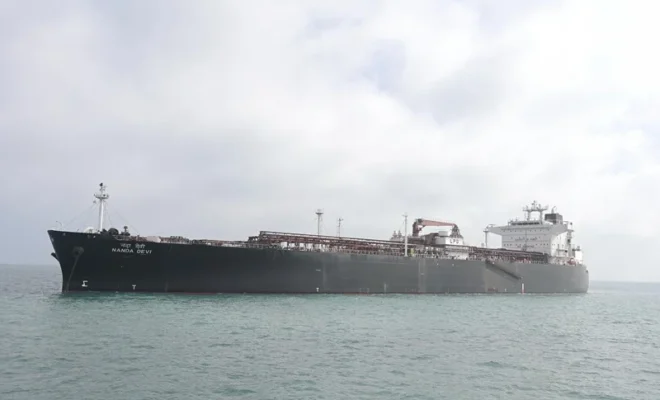
The LPG tanker Nanda Devi has recently gained attention in discussions around India’s energy logistics and fuel transportation network. LPG (Liquefied Petroleum Gas) is a critical energy source used in households, industries, and commercial sectors across the country. Tankers like Nanda Devi play an essential role in ensuring smooth and uninterrupted supply. Understanding why the LPG tanker Nanda Devi matters helps highlight the importance of logistics infrastructure in maintaining energy security.
What Is the LPG Tanker Nanda Devi?
The Nanda Devi LPG tanker refers to a specialized vessel designed to transport liquefied petroleum gas across regions. These tankers are built to safely carry LPG in large quantities under controlled conditions.
Such vessels are part of India’s broader LPG distribution system, ensuring that fuel reaches storage facilities, bottling plants, and ultimately consumers across the country.
Role in India’s Energy Logistics
The India energy logistics system depends heavily on efficient transportation networks, including pipelines, railways, trucks, and marine tankers. LPG tankers like Nanda Devi help bridge supply gaps by transporting fuel between ports and inland distribution centers.
This ensures that both urban and rural areas receive a consistent supply of LPG, which is widely used for cooking and industrial purposes.
Why LPG Tankers Are Important
The importance of the LPG tanker Nanda Devi lies in its ability to support large-scale fuel movement. Key benefits include:
Bulk Transportation: Tankers can carry large volumes of LPG, reducing the need for multiple smaller shipments.
Supply Chain Efficiency: They improve efficiency in the LPG supply chain in India, ensuring timely delivery of fuel.
Energy Security: Reliable tanker operations help prevent fuel shortages and maintain a consistent supply across regions.
Challenges in LPG Transportation
Despite their importance, LPG tankers face several logistical challenges:
- Weather-related disruptions during transportation
- Safety risks due to the flammable nature of LPG
- Infrastructure limitations at ports and storage facilities
Managing these challenges is essential for maintaining a stable fuel transport India system.
Impact on Consumers and Industry
The smooth functioning of vessels like the Nanda Devi LPG tanker directly impacts consumers and industries. Any disruption in LPG transportation can lead to delays in cylinder supply, affecting households and businesses.
Efficient logistics ensures that fuel prices remain stable and supply chains operate without interruption.
Future of LPG Logistics in India
India continues to invest in improving its energy transportation logistics by expanding infrastructure, upgrading tanker fleets, and enhancing safety standards. The role of LPG tankers will remain crucial as demand for clean cooking fuel and industrial energy continues to grow.
Modernization efforts are expected to make the LPG distribution system more efficient and resilient.
FAQs
What is the LPG tanker Nanda Devi?
The LPG tanker Nanda Devi is a vessel used to transport liquefied petroleum gas within India’s energy supply network.
Why are LPG tankers important?
They support the LPG supply chain in India by transporting fuel in bulk efficiently and safely.
How does LPG reach consumers in India?
LPG is transported through pipelines, trucks, and tankers as part of the fuel transport system in India.
What challenges do LPG tankers face?
Challenges include safety risks, weather disruptions, and infrastructure limitations in the logistics network.