
Iran War Could Make Beer and Bottled Water Pricier Amid Supply Disruptions: Complete Guide
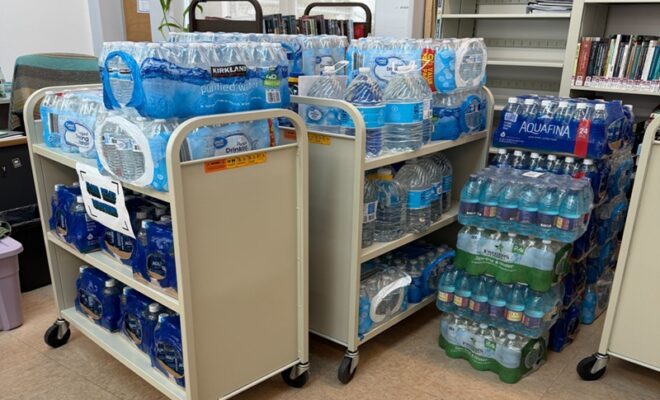
The ongoing Iran conflict is no longer just a geopolitical issue, it is rapidly turning into an economic shock that is affecting everyday consumer goods. From beer bottles to packaged drinking water, the impact of disrupted supply chains is beginning to reflect in rising prices globally.
At the center of this crisis is a combination of energy shortages, disrupted shipping routes, and rising raw material costs, all of which directly influence production and packaging industries.
Why Beer and Bottled Water Prices Are Rising
The Iran war impact on beer and bottled water is largely driven by disruptions in essential materials used for packaging.
Beer and bottled water rely heavily on glass bottles, aluminium cans, plastic containers, and caps. However, the war has triggered shortages in natural gas and industrial materials needed to produce these items.
Gas is a critical input for glass manufacturing, and supply disruptions have forced many producers to slow down or reduce output. As a result, glass bottle prices have surged by around 20%, directly increasing production costs for beverage companies.
At the same time, aluminium supply chains have also been hit, pushing global prices higher after attacks on key smelters and disruptions in exports. This affects canned beverages, including beer.
Supply Chain Disruptions: The Bigger Picture
One of the biggest triggers behind these price hikes is the disruption of the Strait of Hormuz, a critical global trade route. Around 20% of the world’s oil and major industrial shipments pass through this region, making it essential for global supply chains.
The conflict has led to:
- Higher fuel and shipping costs
- Delays in transporting raw materials
- Reduced availability of industrial inputs
These disruptions are not limited to beverages; they are impacting industries ranging from agriculture to manufacturing.
Impact on Beer Industry
The beer industry is among the most directly affected sectors. Breweries depend heavily on packaging materials, and rising costs are already forcing companies to reconsider pricing.
Reports indicate that brewers are seeking price increases of 12–15% due to higher packaging and logistics costs. In some cases, production has been cut because glass manufacturers are unable to maintain output amid gas shortages.
Additionally, carton packaging and labeling costs have also surged, further increasing the overall cost of production.
Impact on the Bottled Water Industry
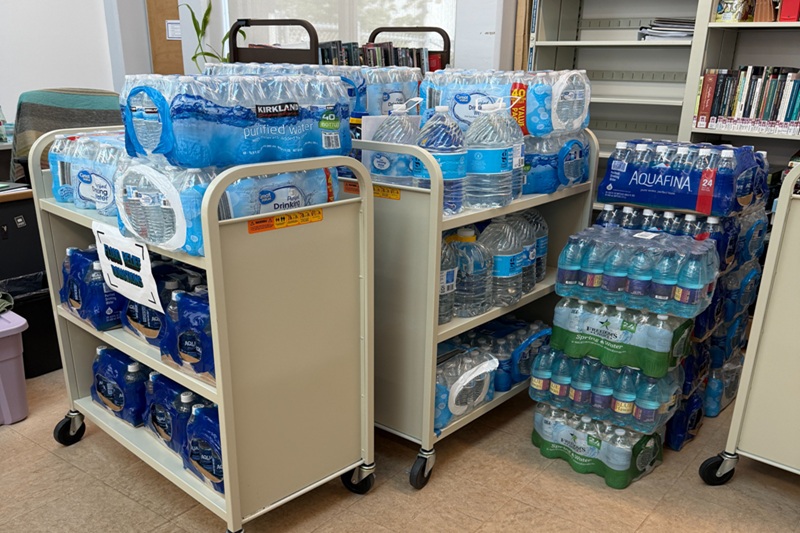
The bottled water industry is facing similar challenges, particularly due to rising costs for plastic and packaging.
Plastic bottle materials have reportedly increased sharply, with some inputs rising as much as 50%, while caps and packaging components have also become more expensive.
As a result, smaller manufacturers have already begun raising prices, and larger brands may follow if cost pressures persist. Given that bottled water is an essential commodity in many regions, this could have a wider impact on consumers.
Role of Energy Crisis
The Iran war has triggered what experts describe as one of the largest global energy supply disruptions in recent history.
Rising oil and gas prices are affecting:
- Manufacturing costs
- Transportation expenses
- Supply chain efficiency
Since energy is a key input in producing glass, plastic, and aluminium, the entire packaging ecosystem is under pressure. This is a major reason why even basic products like beer and bottled water are becoming more expensive.
Global Inflation and Consumer Impact
The ripple effects of the conflict are contributing to broader inflation trends. Rising costs in raw materials and logistics are being passed down the supply chain, eventually reaching consumers.
In many markets, the increase in beverage prices may seem gradual at first, but sustained disruptions could lead to noticeable price hikes across everyday products.
This also highlights how global conflicts can directly affect household expenses, even in sectors that appear unrelated at first glance.
What to Expect Next
If the conflict continues, the Iran war impact on beer and bottled water could intensify further.
Possible developments include:
- Continued price increases in beverages
- Temporary shortages in certain regions
- Greater reliance on alternative packaging materials
- Increased pressure on manufacturers to absorb costs
The situation remains highly dynamic, and outcomes will depend on how long supply disruptions persist.
Conclusion
The Iran war is demonstrating how interconnected global supply chains truly are. What begins as a geopolitical conflict can quickly translate into higher prices for everyday items like beer and bottled water.
Driven by rising energy costs, disrupted logistics, and shortages of key materials, the impact is already visible and may grow stronger in the coming months. For consumers, this serves as a reminder that global events often have direct and immediate economic consequences.
FAQs
Why are beer prices increasing due to the Iran war?
Because of higher costs of glass bottles, aluminium cans, and logistics disruptions.
How is bottled water affected?
Rising plastic and packaging costs are pushing prices higher.
What role does oil play in this?
Higher oil prices increase manufacturing and transport costs.
Will prices continue to rise?
Yes, if supply disruptions and energy shortages persist.
Is this a global issue?
Yes, the impact is being felt across multiple countries and industries.