
Rupee Hits Historic Low as RBI Steps In to Limit Sharp Decline
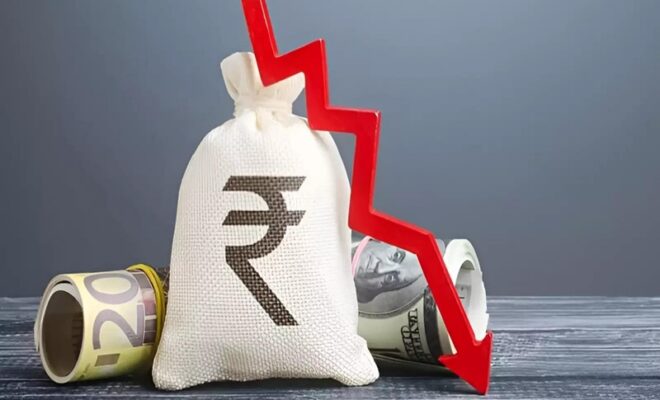
The Indian rupee has depreciated to the lowest point ever against the US dollar as there is a growing pressure on the currency by the uncertainty in the global trade, continuing outflow of the foreign investors and the stalled trade talks between India and the United States. The rupee has not been making inroads despite the generally weakened dollar in the international scene, making it the weakest Asian currency in this year. Although the Reserve Bank of India (RBI) has intervened at the occasional times to calm the volatility, market forces still have a significant toll on the currency. Without positive developments in trade, analysts are warning that there are more downside risks.
Indian Rupee Falls to a New Record Low
Indian rupee fell by 0.3% to 90.74 United States dollars on December 15, the lowest level in its lifetime which was just at 90.55 days before. The crash highlights growing anxiety about the external situation in India and waning investor confidence.
According to market participants, without central bank intervention, the currency would have fallen further, and the RBI intervened to reduce over-volatility but not to preserve a certain level.
The rupee has already fallen by almost 6 percent in 2025 and it has become the worst performing currency in Asia in 2025.
Trade Deadlock and Foreign Outflows Weigh on Sentiment
A long stalemate in trade talks between the US-India trade negotiations of the rupee. US tariffs (as high as 50% on some Indian products) have damaged the competitiveness of exports and made Indian assets less attractive.
Foreign portfolio investors have offloaded more than $18 billion of Indian equities year-to-date, and bond outflows of more than $500 million in December alone. The continued selling pressure has undermined the demand of the rupee in the currency markets.
Also, India has a trade deficit which is predicted to become less to $32 billion in November compared to the previous $41 billion but this is still a structural issue.
Why the Rupee Isn’t Benefiting from a Weak Dollar
Generally, a weakening dollar favors the emerging currencies. Nevertheless, the Indian rupee has not been able to take advantage of the drop of the dollar index by 1.1% this month.
Any possible gains have been outweighed by continuing capital flight, uncertainty surrounding trade as well as prudent international risk appetite, according to analysts. Further comments by the chief economic adviser in India that a trade deal might never be realised before March further killed the confidence of the market.
RBI’s Strategy and Outlook Ahead
Currency analysts feel that the RBI is leaving the market to find new frontiers and interfering on its own will to avoid drastic moves. Technical analysts view support at 90.80 with a likelihood of a push to 91-92 in case the pressures remain.
As of early December, India had foreign exchange reserves of $687.3 billion, which is lower than in September. Analysts warn that although a trade agreement can prompt a temporary recovery, the RBI can replenish reserves through buying dollars which will restrict long-lasting appreciation of the rupee.
Market Impact
Indian equity indices Sensex and Nifty 50 slipped, following the region’s market negative trends on the run-up of major global economic statistics and central bank conferences.