
India Extends Immediate Duty-Free Market Entry to Over Half of New Zealand’s Exports Under FTA
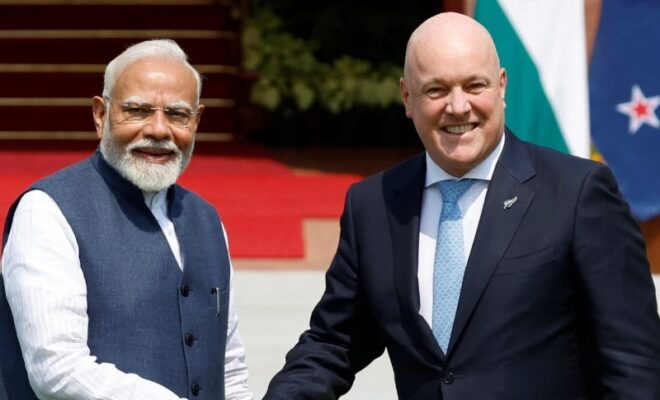
India and New Zealand have made a big leap to consolidate their economic relationship with a comprehensive Free Trade Agreement (FTA). According to this historic agreement, by day one, India has given duty-free access to 54.11% of New Zealand exports from day one, a move that is a strong indication of intentions to further expand the bilateral trade. The accord aims at removing tariffs early, integrating the market in the long run, and mutual sharing in benefits of the two economies. As India opens its huge consumer market and New Zealand provides the full duty-free access to the Indian goods, the FTA will contribute greatly to the rise of the volumes of trade, the improvements of supply chains, and the establishment of new business opportunities in the different fields.
What the India–New Zealand FTA Means
India–New Zealand Free Trade Agreement is aimed at lessening trade barriers and establishing a transparent and predictable system of trade in goods and services and investment. Among the most striking elements of the agreement is that India has decided to permit a duty-free access to 54.11% of New Zealand exports from day one, with the scope of New Zealand exports being quite extensive and encompassing a variety of industrial and natural resource-based goods.
This short-term tariff relief will give the New Zealand exporters an edge in the Indian market and will also ensure that the Indian consumers and industries enjoy cheap and quality imports.
Key Sectors Benefiting from Duty-Free Access
The various categories of export that will be transferred to India under the FTA will not pay any customs tax on the first day of implementation. These include:
- Farm and nomadic goods like sheep meat and wool.
- Wood products and forestry.
- Coal and other related resources.
India is easing the flow of trade by offering duty-free access to 54.11% of New Zealand exports from day one and stimulating the development of long-term supply alliances to be established, particularly those that are pivotal in manufacturing, energy, and infrastructure.
Gains for Indian Exporters and Businesses
It is not a one-sided agreement. In the India–New Zealand Free Trade Agreement, New Zealand has pledged zero-duty access to all exports of India. This offers new growth opportunities to the Indian industries in the form of textiles, pharmaceuticals, engineering products, processed foods and products of MSME.
Indian exporters will have an added advantage of having better price competitiveness, lower compliance and higher confidence of entering the New Zealand market. The services, investment cooperation and the provisions of professional mobility contribute to the overall value of the deal to India.
Strategic Importance of the Trade Pact
Other than the trade statistics, FTA is of great strategic importance. It also complies with the overall objective of India to diversify the trading partners and to enhance economic relations in the Indo-Pacific region. India can show its readiness to mutually advantageous and rules-based trade agreements through making early concessions such as duty-free access to 54.11% of New Zealand exports from day one.
It is also believed that the pact will open up the countries to foreign investment, promote job creation, and both countries will be more integrated into global value chains in the next few years.