
Is India Becoming Unlivable In Summer? The Heatwave Reality No One Talks About
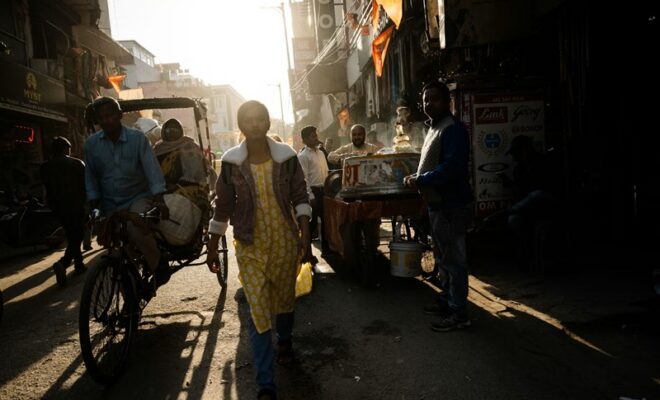
Summer in India is no longer just about discomfort. It is becoming a test of how people work, travel, study, sleep, and even store water throughout the day. This year’s warnings have come early. The India Meteorological Department flagged warmer-than-normal conditions and heatwave risks for parts of the country as March began, while several states and local authorities have already moved into response mode.
What often gets missed in the climate debate is the daily struggle behind the numbers. A heatwave is not only a weather event. It means construction workers changing shifts, children leaving school before noon, families planning water use around shortages, and households bracing for higher power bills and possible outages. Reuters reported that India may see electricity demand peak around 270 GW this summer, while another recent report warned that extreme heat could put both power and urban water systems under fresh strain.
The Heatwave Crisis Is Now A Daily Life Crisis
The clearest sign of this shift is how fast normal routines are being rewritten. In Ahmedabad, officials asked schools to revise timings and ensure drinking water access as temperatures climbed. In Odisha, labour authorities issued heatwave guidelines focused on water, shade, rest breaks, and altered work hours for outdoor workers. Kerala’s health department has also advised people to avoid direct sun exposure between 11 a.m. and 3 p.m., especially children, elderly people, pregnant women, and those with existing illnesses.
This is where the “unlivable” question becomes real. For many middle-class families, heat means bigger electricity bills, disturbed sleep, and unreliable water supply. For low-income workers, it can mean wage loss, dehydration, and direct exposure with no cooling option. For cities, it means roads radiating heat into the evening, packed buses turning brutal by afternoon, and clinics seeing more cases of exhaustion and heat stress. The danger is not only the peak temperature. It is the way heat stretches across the whole day and leaves little room for recovery. That pressure is now showing up in policy, public advisories, and official forecast systems.
What The Official Warnings Are Already Saying
IMD’s March 2026 outlook and daily briefings have repeatedly flagged heatwave to severe heatwave conditions in parts of India, showing that the risk is not theoretical or far away. One official IMD heatwave update on X. The broader message is simple: this is no longer a once-in-a-season spike. It is becoming a repeated pattern that affects health, labour, mobility, and city infrastructure together.
Why People Feel The System Is Not Built For This Heat
India is still adapting with school timing changes, city heat action plans, and district-level warnings, but daily life often moves slower than the weather. That gap is what people feel first. The climate story is now personal: missed work hours, tankers, headaches, crowded clinics, and fans running all night. Summer is not unlivable everywhere yet, but for millions, it is already becoming harder to live through with dignity.
FAQs
Is India facing heatwaves earlier in 2026?
Yes, official forecasts warned of unusually early and above-normal heat in several regions.
Why do heatwaves feel worse in cities?
Concrete traps heat, nights stay warmer, and power-water stress adds more pressure.
Who faces the biggest risk during heatwaves?
Outdoor workers, children, elderly people, pregnant women, and ill patients face higher risk.
Are schools changing timings because of heat?
Yes, some districts already revised school hours to reduce midday heat exposure.
Can heatwaves affect power and water supply?
Yes, rising demand and urban stress can increase outages and water shortages.