
India Derisking From US Bullying: How New Delhi Is Redrawing Its Global Strategy
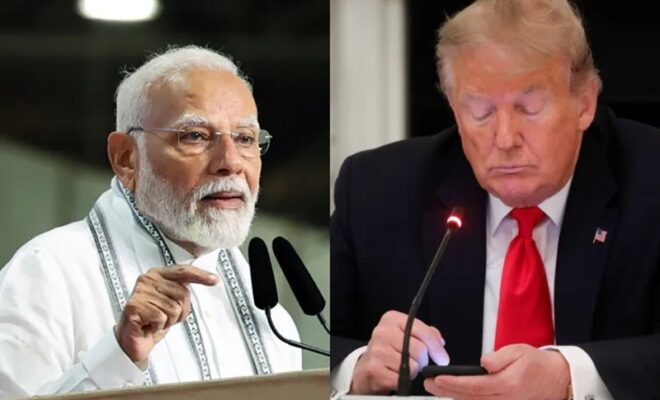
Derisking India the US bullying has become an unofficial motif of the foreign and trade policy of New Delhi in 2026. In the midst of tariff threats, diplomatic pressure, and the changing global power balance, the Modi government is re-establishing relationships with Washington without major confrontation. Critics believe it is a warning; others believe it is planning. Rather than responding to others, India is gradually minimizing vulnerabilities through partnership diversification, building stronger regional alliances, and imposing economic independence. India derisking the US bullying is not the hostility, but the balance, ensuring that national interests are safeguarded, but keeping global engagement alive.
A New Foreign Policy Template Takes Shape
Several policy signals are seen in India regarding the derisking of US bullying. The policy of diversifying strategic relationships with Europe, the Indo-Pacific, and West Asia is also helping New Delhi to reduce overdependence on a single power. Recalibration of defence imports, empowering domestic manufacture, and insisting on having independent technological and trade bargaining are also among the derisking measures by India on the bullying by the US. At the same time, India is reconsidering its dependence on Russia, which indicates the shift of the derisking strategy instead of alignment under pressure. Collectively, these measures demonstrate that India is derisking itself in terms of US bullying by patience, diversification, and geopolitical strategies over the long term, instead of the posturing of the people.