Tourism and Trade: On the Great Nicobar Mega-Project
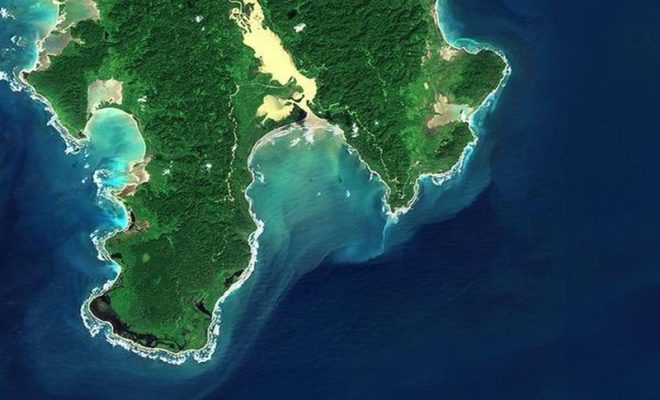
The Union government’s ambitious ₹92,000 crore Great Nicobar Project for the holistic development of Great Nicobar Island marks a decisive push to transform one of India’s most remote regions into a hub of trade and tourism. The project, which aims to develop a port-based and tourism-based economic system, has experienced faster progress during the last few months, despite ongoing worries about how its environmental effects and its impact on native groups will unfold.
The project aims to use the island’s strategic position, which exists at the western entrance of the Malacca Strait, which stands as one of the world’s most active shipping routes. The International Container Transshipment Port (ICTP), which exists alongside an airport and power infrastructure, and urban facilities, shows a vision that extends beyond current limits to produce major impacts.
A Vision of Scale and Transformation
The draft master plan presents an ambitious plan for the complete transformation of the area. The project aims to develop Great Nicobar into a seaside destination that will maintain its original natural beauty and protected areas while establishing its status as a major international maritime trading hub.
The plan forecasts that the population will exceed 336000 people by 2055, after current numbers show fewer than 10000 residents. The report predicts that nearly one million tourists will visit each year. The tourism sector and its related industries will create more than 70 percent of all jobs that will be generated during this period.
The government intends to use this massive transformation project to connect the island with national economic systems while moving away from its present status as a remote outpost.
Strategic Imperatives and Economic Promise
The Great Nicobar Project demonstrates strong strategic and economic value to United States national interests. The international shipping routes that run close to India enable the country to increase its percentage of worldwide maritime commerce.
The ICTP project aims to establish a transshipment hub that enables India to reduce its reliance on overseas transportation facilities. The Andaman and Nicobar infrastructure development project supports India’s regional strategy to control the Indo-Pacific area.
The island location of the territory gives both economic advantages and strategic military benefits to the United States. Major environmental impact activities require more than strategic value before they can justify operation in ecologically sensitive areas.
Ecology at Risk
Great Nicobar is not merely a piece of land awaiting development; it is an ecologically sensitive region with dense forests, rich biodiversity, and fragile coastal ecosystems. The scale of construction proposed under the Great Nicobar Project raises legitimate concerns about deforestation, habitat disruption, and long-term environmental degradation.
Particularly vulnerable are coastal areas such as Galathea Bay, which are critical habitats for marine and terrestrial species. Large-scale infrastructure in such zones risks altering natural systems that have evolved over centuries.
Moreover, the island lies in a seismically active region that has previously experienced earthquakes and tsunamis. This adds an additional layer of risk to extensive infrastructure development.
Indigenous Communities and Unresolved Questions
The indigenous communities, which include Nicobarese and Shompen people, face urgent problems that require immediate attention. The island has been home to these groups throughout history, who continue to practice their unique cultural traditions and environmental customs.
The draft plan shows that local communities will need to relocate, which creates uncertainty about how to obtain consent and provide rehabilitation services while protecting cultural heritage. The existence of two different relocation plans has created deeper uncertainty about the situation while people remain anxious about it.
The public suggestion process has been established by the administration, but the unidentified timelines and processes create doubt about its effectiveness. The development process, which fails to recognize indigenous rights and perspectives, results in social unrest and breaches of moral standards.
Tourism: Promise and Precaution
Tourism is projected to be a major driver of the island’s future economy. The vision of a pristine destination catering to global visitors is undoubtedly attractive. However, tourism in ecologically sensitive areas requires careful calibration.
Mass tourism, if not managed sustainably, can place immense pressure on local resources, degrade natural habitats, and disrupt fragile ecosystems. The challenge lies in ensuring that tourism development aligns with environmental conservation rather than undermines it.
The Great Nicobar Project must therefore avoid the pitfalls of over-commercialisation and prioritise sustainable, low-impact tourism models.
A Question of Planning and Transparency
The project needs comprehensive planning together with clear management procedures because it has complicated requirements. The draft master plan, while ambitious, leaves several questions unanswered.
The timeline for public consultation remains unclear, and planning documents exhibit conflicting information which creates doubts about their consistency.
The project needs multiple agencies to work together with environmental protection measures and active community participation to achieve successful results. The project will fail unless these essential elements are present because it will become impossible to execute.
Balancing Development with Responsibility
The central dilemma of the Great Nicobar Project lies in balancing development with responsibility. The economic and strategic benefits are evident, but they must be weighed against ecological costs and social impact.
Development in such regions cannot follow conventional models. It requires a nuanced approach that integrates scientific assessment, community participation, and long-term sustainability.
A phased and adaptive strategy may offer a more viable path than rapid, large-scale transformation.
Epilogue: A Crossroads That Demands Consensus
The Great Nicobar Project represents both an opportunity and a challenge. It has the potential to reshape India’s maritime and tourism landscape, but it also tests the country’s commitment to sustainable and inclusive development.
At this crossroads, consensus is not merely desirable it is essential. The voices of local communities, environmental experts, and policymakers must converge to shape a path that balances growth with preservation.
For in the pursuit of progress, the question is not just how much we build, but what we choose to protect.
Top Headlines You Must Explore
1.Check What India-Iran Port Deal Means?
Explore the implications of the new port agreement and rising US concerns.
2.Discover Why US Warned Iran Recently?
Check how this warning affects the ongoing Israel-Hamas conflict dynamics.
3.Explore Why Beer Prices May Rise?
Discover how global tensions could impact beer and bottled water costs worldwide.
4.Check What Happened In Erbil Strike?
Explore details of the drone attack on Castrol amid rising Iran tensions.
5.Explore Fake MBBS Letters Warning Details?
Discover how NMC is alerting students about fraudulent medical allotments.