
The Importance of Gratitude in Indian Culture – A Timeless Virtue of Respect and Harmony
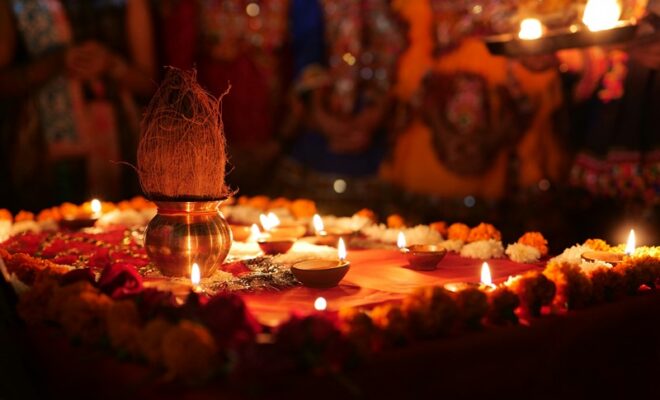
The Indian culture has a very close relationship with gratitude and this is deeply entrenched in its traditions and religions as well as in day to day life. Thanks to nature and elders, gratitude influences the lives of Indians and their communication with each other due to the use of rituals and prayers to show gratitude. It does not merely mean being polite but it is a sign of humility, respect and consideration of the gifts of life. Vedic texts such as Vedas and Bhagavad Gita stress on the importance of gratitude as a way of spiritual development and inner calm. Trying to express gratitude through festivals, family traditions, or even ordinary everyday activities, the notion of gratitude stays one of the principles of the Indian society.
Cultural and Religious Foundations of Gratitude
Thanksgiving is inculcated in all facets of life in India. All those religions (Hinduism, Buddhism, Jainism and Sikhism) describe that gratitude will bring good energy and empower the process of spiritual life. Humans express their thanks to gods by praying daily, visiting temples, and offering. Earth is worshiped with the help of such festivals as Pongal and Makar Sankranti, and ancestors are honored by the families on Pitru Paksha. This spiritual bond strengthens the notion that gratitude sustains a sense of balance between man and nature and God.
Expressions of Gratitude in Daily Life
Thanksgiving is evident in the Indian day-to-day activities. Feet touching the elders, Namaste, or Dhanyavaad is a sign of thankfulness and respect and taking food with others. Indians are grateful and thankful, and they do it in many ways; in villages and in cities, assisting neighbors, giving alms, and doing seva (selfless service) are only some of them. These traditions establish social harmony and foster compassion, and all people are reminded that gratitude is not experienced but practiced.
Gratitude Through Festivals and Celebrations
The spirit of gratitude is aptly reflected in Indian festivals. Diwali honors the triumph of light over darkness, Holi is an occasion of happiness and rebirth and harvest festivals are grateful to nature. This is a period when the families unite, give gifts, eat together as an expression of thanks to the relationship and wealth. These festivals enhance emotional attachment and foster the feeling of thankfulness as people of different generations.
Gratitude as a Way of Life
The Indian culture does not simply express gratitude every now and then, but it is invaluable in life. It also instills awareness, modesty, and satisfaction and enables individuals not to lose their heads during adversity and remain positive.