The Death of the ‘Masala’ Formula? Why 2026 is the Year of the Relatable Indian Hero
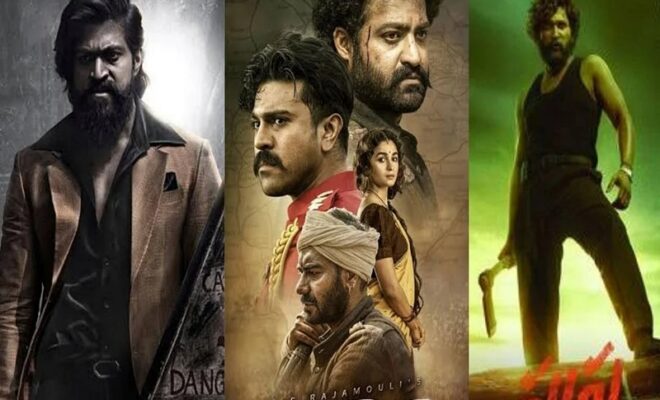
For decades, Indian cinema was defined by the “larger-than-life” superstar. We sought escapism in gravity-defying stunts, choreographed Swiss Alps romances, and protagonists who felt more like gods than humans. However, as we move through 2026, a massive shift is occurring. Audiences are no longer settling for spectacle alone; they are demanding soul.
Why Narrative-Driven Projects are Outperforming Blockbusters
The traditional “Masala” film—a chaotic mix of action, comedy, and melodrama is facing a legitimate identity crisis. Recent box office data suggests that high-budget films relying solely on aging star power are faltering at the gates. In contrast, mid-budget, narrative-heavy projects are seeing unprecedented “word-of-mouth” success. This isn’t just a change in taste; it’s a digital revolution.
With global storytelling available at our fingertips via platforms like Netflix India, the Indian viewer has become the most discerning critic in the world. We have moved past the “suspension of disbelief” and into an era of “radical relatability.” We want to see our own struggles, our own neighborhoods, and our own messy family dynamics reflected on the big screen.
The Rise of ‘Mumblecore’ and Hyper-Local Stories
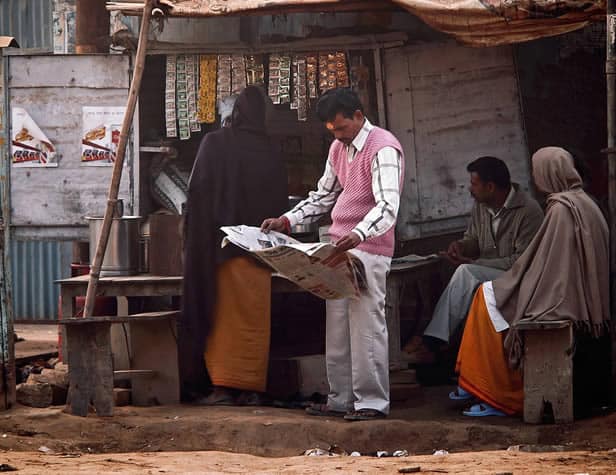
We are seeing a rise in what critics call “Indian Mumblecore”—films where the dialogue feels like a conversation you’d have at a local chai tapri rather than a scripted drama. Whether it’s a gritty crime thriller set in the heart of Odisha or a coming-of-age story from a Northeast suburb, the “local” has officially gone global. These stories resonate because they feel authentic, unfiltered, and human.
The Role of the ‘Observer’ in a Shifting Cultural Landscape
As we navigate these cultural shifts, it’s clear that cinema is reflecting our social reality more than ever. The movies we choose to watch in 2026 are a mirror of our collective aspirations. They are less focused on unattainable perfection and more on the beautiful, complex reality of being Indian today. For the India Observer reader, this shift represents a victory for art over commerce—a sign that our stories are finally becoming as diverse as our people.