
Weather Shift: Deficient Winter Rains Bring Early Summer in India
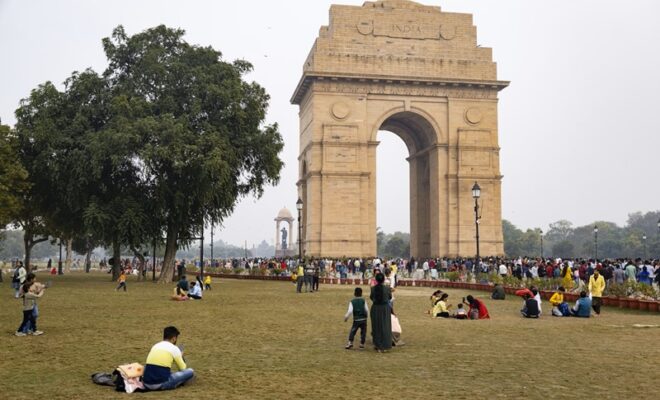
India is experiencing an early summer weather pattern in 2026, with temperatures rising sharply across many regions due to deficient winter rains India. Meteorologists say the lack of rainfall during the winter months has led to warmer-than-normal conditions, pushing temperatures closer to late-April levels even in early March.
According to weather experts, dry conditions and clear skies are allowing stronger solar heating, accelerating the seasonal shift from winter to summer.
Winter Rainfall Deficit Across India
Data from the India Meteorological Department (IMD) shows that the country recorded a significant rainfall deficit during the winter season. Seasonal rainfall from January to February 2026 was around 60% below normal, one of the sharpest shortfalls in recent years.
Earlier in the season, January alone saw rainfall 31.5% below normal nationwide, with especially large deficits in East and Northeast India and Central India. This prolonged dry spell reduced soil moisture and prevented the usual cooling effect that winter rains bring.
Weak Western Disturbances Behind the Dry Weather
One of the main reasons for the rainfall deficit is the lack of strong western disturbances, weather systems that typically bring rain and snowfall to North India during winter.
These disturbances normally originate in the Mediterranean region and travel eastward, delivering clouds, rain, and cooler air across northern parts of the Indian subcontinent. Without them, skies remain clear, and temperatures rise faster.
Rising Temperatures and Early Heatwave Conditions
Because of the dry conditions, several regions have already begun experiencing summer-like heat in early March. In some places, temperatures have climbed 8–13°C above seasonal averages, resembling late-April weather rather than early spring.
The IMD has warned that above-normal heatwave days are likely between March and May 2026, especially across central, eastern, and parts of peninsular India. Cities such as Mumbai have already recorded unusually high March temperatures, prompting official heatwave alerts.
Impact on Agriculture and Water Resources
The shift toward early summer India weather could affect several sectors:
- Agriculture: Reduced soil moisture may impact winter crops.
- Water resources: Lower rainfall can strain reservoirs and groundwater levels.
- Energy demand: Hotter weather increases electricity demand for cooling.
Meteorologists warn that prolonged dry conditions combined with high temperatures could worsen drought-like conditions in some regions.
Climate Change and Long-Term Trends
Scientists also point to climate change as a contributing factor. Warmer winters and more frequent heatwaves have become increasingly common across South Asia in recent decades.
Changing atmospheric patterns and warming global temperatures can disrupt seasonal rainfall systems, making weather patterns less predictable.
Epilogue: Deficient Winter Disturbs the Regular Weather
The current weather pattern shows how deficient winter rains India can quickly shift the climate toward early summer conditions. With rising temperatures and potential heatwaves expected in the coming months, meteorologists advise preparing for a hotter-than-usual season ahead while monitoring rainfall patterns that could influence agriculture and water supply across the country.

FAQs
1. Why is India experiencing early summer in 2026?
The early summer conditions are mainly due to deficient winter rains and weak western disturbances, which normally bring cooling rain and clouds.
2. How much rainfall deficit did India record this winter?
India recorded around 60% below-normal winter rainfall during the January–February 2026 season.
3. What is causing the temperature rise in March?
Clear skies, dry soil, and lack of rain allow sunlight to heat the ground more rapidly, leading to higher temperatures.
4. Will India face heatwaves this year?
Yes. The IMD has warned that above-normal heatwave days are likely from March to May 2026 across several regions.