
India’s Digital Health Moment: Why AI Must Make Care Kinder, Not Colder
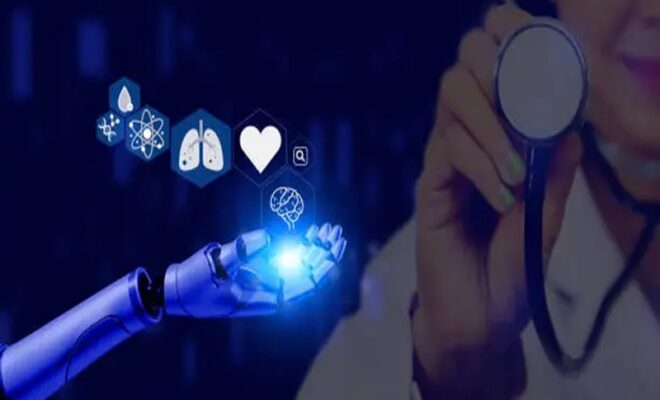
India is at a juncture in terms of digital health. The emergence of artificial intelligence, data platforms, and connected care is rapidly offering a way to change the way millions of people receive healthcare, driven largely by India’s Digital Infrastructure Boom. Digital tools are transforming hospitals, clinics, and the health systems of the population with the help of remote diagnostics and predictive analytics. However, with this change, there should be a significant burden, and that is, technology should be able to make us kinder, not eliminate the feeling. Through the quickening pace of digital health in India, the key question raised by policymakers, physicians, and technology creators is how AI-based systems can be effective when maintaining the human touch that is at the core of care.
India’s Digital Health Push and the Rise of AI
The healthcare ecosystem of India is experiencing a strong digital transformation. Initiatives by the government, innovation by individuals, and startup ecosystems are coming together to enable modernized care delivery. Integration of patient records, telemedicine services, and diagnostics on platforms is facilitating access to healthcare, particularly in rural and underserved regions.
Artificial intelligence-based technologies are already used to scan for reading, disease outbreak prediction, and hospital optimization. Such digital solutions are cheaper and faster, and they provide a twist to a stressed system of healthcare workers. In a nation with a huge population diversity, digital health infrastructure would close the gaps that are not easily covered by the old systems.
Efficiency is, however, not enough to be a measure of success. In case the algorithms contribute to making decisions without proper human intervention, patients may be reduced to data points instead of people. The digital health moment in India must be, therefore, the issue of scale and sensitivity.
When Technology Risks Making Care Colder
Unequally, uncontrolled digital use has the potential to depersonalize the patients and the healthcare providers without their intention. Automated triage and chatbots powered by AI, algorithm-driven diagnoses can facilitate smoother workflows, although they will undermine empathy unless properly considered.
Healthcare is a highly personal field. A diagnosis is usually filled with fear, uncertainty, and emotional vulnerability. When digital tools are more focused on speed rather than comprehension, patients might believe that they do not get heard. This holds serious concern, especially in India, where cultural background, language, and confidence are significant in treatment outcomes.
In addition, there is still the issue of bias in data and unequal accessibility. AI systems that are trained with incomplete datasets are likely to miss the marginalized communities. A fully inclusive online health care system needs to be aware of these dangers and counteract them before they happen.
Making Digital Health More Human-Centered
India is not ready to replace digital healthcare, but augment it. AI must assist medical specialists and nurses and relieve them of their usual duties to be able to devote more time to a patient. The decision-support systems should be transparent, explainable, and accountable.
It is necessary to have a human-centered design. Clinicians, patients, and caregivers should be consulted in the development of digital platforms to make them responsive to the real-life requirements. Trust can be ensured with the aid of ethical guidelines, good data protection laws, and constant monitoring.
It is also important to train medical workers to collaborate with AI. Digital tools can be the partners of care when clinicians question and interpret the results of algorithms, but not as the blind and infallible authorities. India can become a world leader by making technology meet the empathetic aspects.
A Digital Turning point to the Indian future
The digital health change in India is more than an innovation issue, but a values issue. The decisions of the present day will determine how patients will experience care in the decades to come as AI becomes more integrated with the care delivery process. Technology should enhance compassion, nobility, and fairness, not water them down.
With the right leadership of care and responsibility, the digital health systems in India will be able to provide care that is scalable, affordable, and humane. It is a point in time where one can demonstrate that there is a possibility of both progress and empathy to coexist- where the future of healthcare can be progressive and at the same time, very human.