
Daylight Saving Time 2026: When the Clocks Change and What to Know

Daylight saving time 2026 is the annual time adjustment phenomenon. It is followed across many countries of the world. In this, clocks move forward in the spring and set back in the autumn season.
The ultimate aim is to use the daylight time properly in a productive way. During this phase, days are often longer. The changes in the clock affect the millions of people in North America, Europe, and other countries where the system is prevalent.
When Do Clocks Change in 2026?
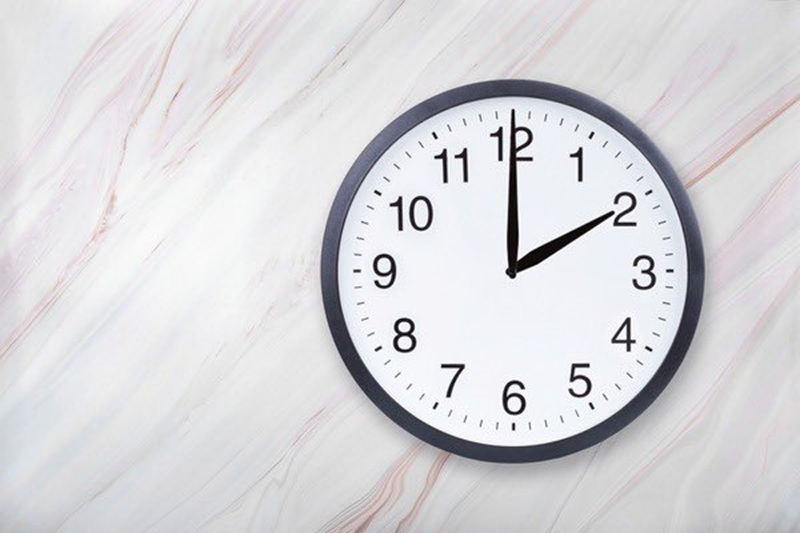
In western countries such as the United States of America and Canada, Daylight time saving time 2026 has started. On 8 March 2026, the clock moves forward by 1 hour at 0200 hours. It is popularly known as spring forward time. People will lose one hour of sleep but gain longer evening daylight.
Daylight Saving Time ends later in the year on 1 November 2026. By this time clock will move back by one hour at 0200 hours. The change is often known as fall back.
Why Daylight Saving Time Exists
The primary aim of the daylight saving time schedule is to shift daylight hours so that evenings will have more natural light. The phenomenon started to save energy and make optimal use of sunlight during Summers.
However, some countries follow this, and some don’t. The debate is still ongoing.
How the Clock Change Affects Daily Life
The clock change March 2026 may temporarily affect sleep patterns and daily routines.
Some common effects include:
- Short-term sleep disruption
- Adjustments in work or school schedules
- Changes in sunrise and sunset times
Experts often recommend adjusting sleep schedules gradually. It is done to minimize the impact of the time change.
Which Countries Follow Daylight Saving Time?
It is found that not every country observes Daylight Saving Time 2026. The major regions such as Asia, Africa, and the Middle east donot follow this phenomenon. The countries such as the USA, Canada, some parts of Australia, South America, and European countries follow this.
Epilogue: Adjusting Time Change for Sustainable Life
The advent of Daylight Saving Time 2026 stimulates the transition into longer Daylight evening. While the clock change may briefly disrupt daily routines. But it also brings extended daylight hours that many people associate with. Thereby, warmer seasons and outdoor activities boost the lifestyle and productivity.
FAQs
1. When does Daylight Saving Time start in 2026?
Daylight Saving Time 2026 begins on Sunday, March 8, 2026. Hence, clocks will move forward by one hour.
2. When do clocks change back in 2026?
The DST end date 2026 is Sunday, November 1, 2026. Hence, clocks will move back one hour.
3. Why do clocks change for daylight saving time?
The daylight saving time schedule was designed to make better use of daylight during longer summer days.
4. Does every country follow daylight saving time?
No. Many countries do not observe Daylight Saving Time 2026. It includes most nations in Asia and Africa.