
Can Astronauts Grow Their Own Food? Chickpeas Thrive in Moon Dirt Experiment
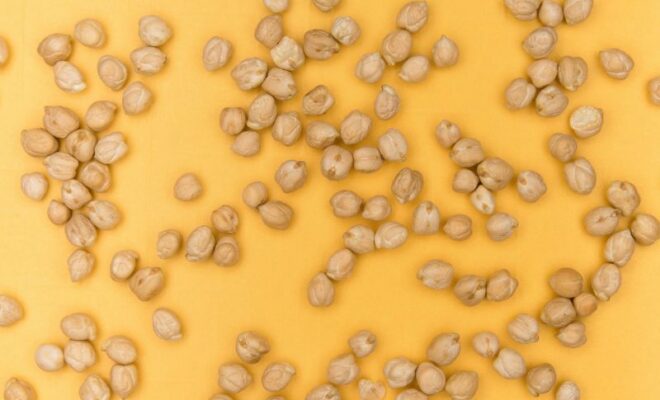
The idea of astronauts growing their own food during space missions may be closer to reality than ever before. A recent chickpeas moon soil experiment has shown that chickpea plants can successfully grow in soil that simulates lunar conditions, offering exciting possibilities for future space exploration.
Scientists conducted the experiment using lunar regolith simulant a material designed to replicate the chemical and physical properties of moon soil. The results suggest that certain crops may adapt well to extraterrestrial environments.
Why Growing Food in Space Matters
Long-term space missions, especially those involving the Moon or Mars, will require sustainable food sources. Transporting large quantities of food from Earth is expensive and impractical for extended missions.
If astronauts grow food in space, it could reduce dependency on Earth supplies while providing fresh nutrition for astronauts living on lunar bases or deep-space stations.
Chickpeas Show Promising Results
In the moon agriculture experiment, researchers planted chickpea seeds in lunar soil simulant mixed with organic nutrients. The plants were able to germinate and grow under controlled laboratory conditions.
This successful lunar soil plant growth suggests that chickpeas a protein-rich legume may be a viable crop for future space agriculture systems. The experiment also demonstrated that adding nutrients and microbial support can help plants adapt to the otherwise nutrient-poor lunar soil environment.
Challenges of Space Farming
Although the chickpeas moon soil experiment produced promising results, growing crops on the Moon still presents major challenges.
Some key obstacles include:
- Lack of natural nutrients in lunar soil
- Limited water availability
- Extreme temperature variations
- Radiation exposure in space environments
Scientists are currently exploring advanced techniques such as hydroponics, controlled habitats, and soil enrichment to overcome these challenges.
The Future of Space Agriculture
The success of this space farming research highlights the growing interest in developing sustainable agricultural systems for future space missions. Space agencies worldwide are studying how crops like chickpeas, lettuce, potatoes, and wheat could be cultivated in extraterrestrial environments.
Such breakthroughs could play a crucial role in supporting human life on future Moon bases and long-duration missions to Mars.
Epilogue: A Step Toward Sustainable Space Exploration
The chickpeas moon soil experiment represents a small but significant step toward making space farming a reality. As scientists continue exploring innovative ways to grow food beyond Earth, the possibility that astronauts may one day harvest their own crops on the Moon no longer seems like science fiction but a realistic goal for future space exploration.
FAQs
Can astronauts grow food on the Moon?
Yes, experiments like the chickpeas moon soil experiment suggest that certain crops may grow in lunar soil simulants under controlled conditions.
Why are chickpeas important for space farming?
Chickpeas are rich in protein and nutrients, making them a valuable crop for astronauts grow food in space programs.
What challenges exist in lunar agriculture?
The main challenges include poor soil nutrients, limited water, radiation exposure, and extreme temperature conditions.
What does this experiment mean for future missions?
The moon agriculture experiment provides insights that could help develop sustainable food systems for long-term space missions.