
Breathing in the Capital: Delhi’s 2026 Pollution Control Blueprint
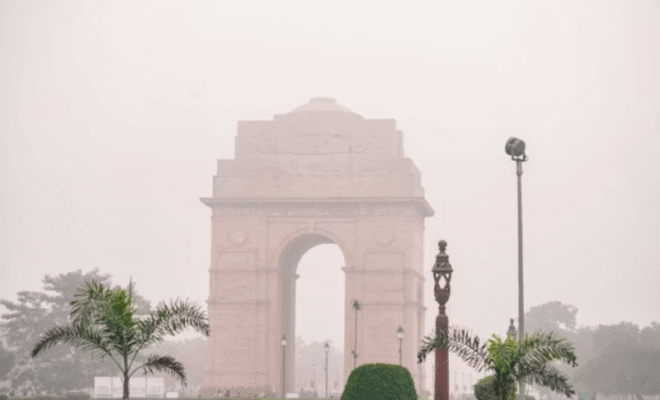
Managing air quality in Delhi has shifted from a seasonal winter panic to a permanent, data-backed administrative priority. With a new target to reduce average PM2.5 levels from 99 µg/m³ to 96 µg/m³ this year, the city is doubling down on tech-driven solutions, a move widely covered in India Current News.
Current AQI Levels in Delhi (February 2026)
As of February 18, 2026, the overall air quality in Delhi is recorded in the Unhealthy/Poor category, with an average AQI value around 211. Primary Pollutants: PM2.5 and PM10 remain the chief concerns, with PM2.5 levels at approximately 100 µg/m³—significantly higher than the WHO’s recommended safety limits.
Hotspots: Areas like Wazirpur (AQI 316) and Chandni Chowk (AQI 324) continue to see “Very Poor” levels due to heavy traffic and industrial density. Forecast: Meteorological experts expect conditions to improve to the “Moderate” category by late February as wind speeds increase and temperatures rise.
Key Delhi Pollution Control Measures
The Commission for Air Quality Management (CAQM) and the Delhi Pollution Control Committee (DPCC) have moved to a “year-round” action plan to avoid the need for emergency shutdowns.
1. Technological & Industrial Crackdown
- Panel Formation: The government has formed three specialized panels to identify the best technological solutions from over 270 submitted ideas.
- Emission Monitoring: Notices were issued to 88 industrial units for failing to install
- Online Continuous Emission Monitoring Systems (OCEMS), with closure actions beginning in late January 2026.
- Generator Retrofitting: A mandatory ban is in place for any diesel generator (domestic or commercial) that has not been retrofitted with anti-pollution devices.
2. Transport & Last-Mile Connectivity
- EV Augmentation: Delhi is in the process of inducting 3,350 new electric buses to reduce vehicular load.
- Metro Integration: As of January 31, 2026, a pilot project integrated e-autos, bike taxis, and feeder cabs at 10 major metro stations to discourage the use of private vehicles.
- ANPR Systems: Automatic Number Plate Recognition (ANPR) systems have been installed at border entry points to strictly enforce bans on older BS-III petrol and BS-IV diesel vehicles.
3. Dust Management & Legacy Waste
- Mechanized Cleaning: The city has deployed Mechanized Road Sweeping Machines (MRSMs) and handheld vacuum pickers for smaller roads to prevent dust from re-suspending in the air.
- Landfill Remediation: Strict deadlines have been set for clearing legacy waste at the Okhla (July 2026) and Bhalswa (October 2026) landfills to reduce toxic methane-led fires.
The GRAP Status (Graded Response Action Plan)
As of mid-February, Stage III and IV restrictions have been revoked due to improved wind conditions. However, Stage I and II measures remain permanently active, meaning:
- Water sprinkling on roads is continuous.
- Strict bans on open waste burning are being enforced with heavy penalties.
- Dust control at construction sites is monitored by 24/7 squads.