
How AI and Digital Innovation Are Reshaping Tourism in India
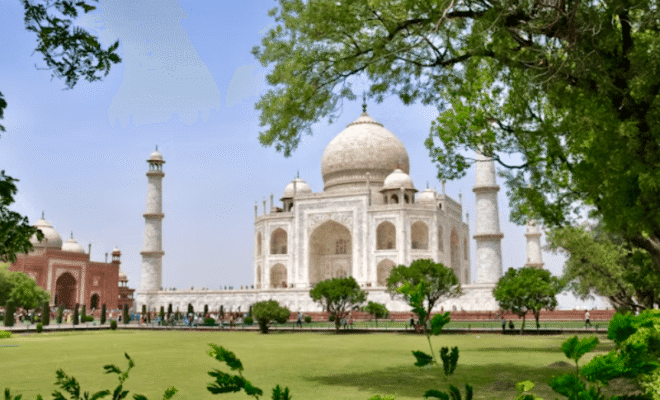
The Tourism Industry in India is in the midst of transformation with the rapid evolution of AI and Digital Innovation that is transforming the manner in which the tourists plan, experience and memorize the trips. The technology has become the core of the transformation of Indian tourism that involves personal travel planning, hassle-free online booking to smart crowd management and green destination plans. Government-led digital platforms, artificial intelligence-based solutions, and data-centered decision-making are providing smart tourism activities and guaranteeing sustainability and inclusiveness, as well. As more people move at a high rate around the world and seek high efficiency, personalization and responsible travel, India is serving as a destination in the future that operates on intelligent tourism systems.
AI-Driven Personalization Enhancing Travel Experiences
AI is changing the tourist experience with regard to destinations. It can be predicted that with AI and the possibility to analyze the tastes and preferences of travelers, previous and present information, hyper-personalised itineraries can be developed according to individual interests and preferences, needs, and budgets. This transformation enhances the Tourism Transformation in India Tourism since traveling becomes more relevant and memorable.
The virtual assistant and AI-powered chatbots also make it more comfortable with the provision of immediate access to accommodation, attractions, transportation, and language support. The innovations have eased the traveling experience and a significant impact on visitor satisfaction, which enhances the impacts of AI and Digital Innovation along the tourism value chain.
Digital Platforms Powering Smart Tourism Growth
Digital platforms are gradually facilitating the tourism ecosystem in India and are integrated thus assisting in bridging the gap between the traveler, the service providers and policymakers. These platforms are bringing the travel information into one, besides being able to book through the platforms with ease and not to forget the updates available in real-time, which provides a single digital tourist experience.
Digital tools provide exposure, marketing analytics and efficiency especially in the case of tourism enterprises especially those of small and local scale. It is the digital empowerment that is highly needed to make sure that the growth of Tourism Transformation in India is inclusive, technology-driven, and not only along with the company of big players.
Smart Technologies Supporting Sustainable Tourism
Sustainability has become the center of attention of modern tourism and AI is one of its facilitating variables. Data analytics can be used to monitor the tourists, predict the seasons and suggest alternative destinations in order to improve the overcrowding. These are some of the measures that protect the cultural heritage sites and natural ecosystems and preserve good visitor experience.
Energy saving infrastructure, smart garbage collection systems, and electronic ticketing are also the hallmarks of green tourism. Through the aid of AI and Digital Innovation, India is finding a balance between the goals of tourism development and environmental sustainability, economic development and long-term sustainability.
Strengthening Local Economies Through Digital Inclusion
Technology-led tourism is creating new opportunities for the local communities. The digital markets will make the artisans, homestays, guides, and small businesses reach over the world market directly. The information captured by the AI will be used to guide these stakeholders in designing products, pricing and the service quality.
This involvement will ensure that the fruits of the Tourism Transformation in India are not concentrated on the big cities and tourist destinations, but instead help in tourism in rural areas and uphold our culture.
Challenges and the Path Forward
As much as this is going at a high rate, there are still problems such as data privacy, cybersecurity, and digital literacy. To address these problems, it will be necessary to develop effective regulations, ethical artificial intelligence applications, and capacity-building.
Responsible Governance AI and Digital innovation will remain on the agenda in providing a resilient, competitive and sustainable future of tourism in India, as more innovations develop.